
BUILDING A WELLNESS ROUTINE THAT WORKS FOR YOU
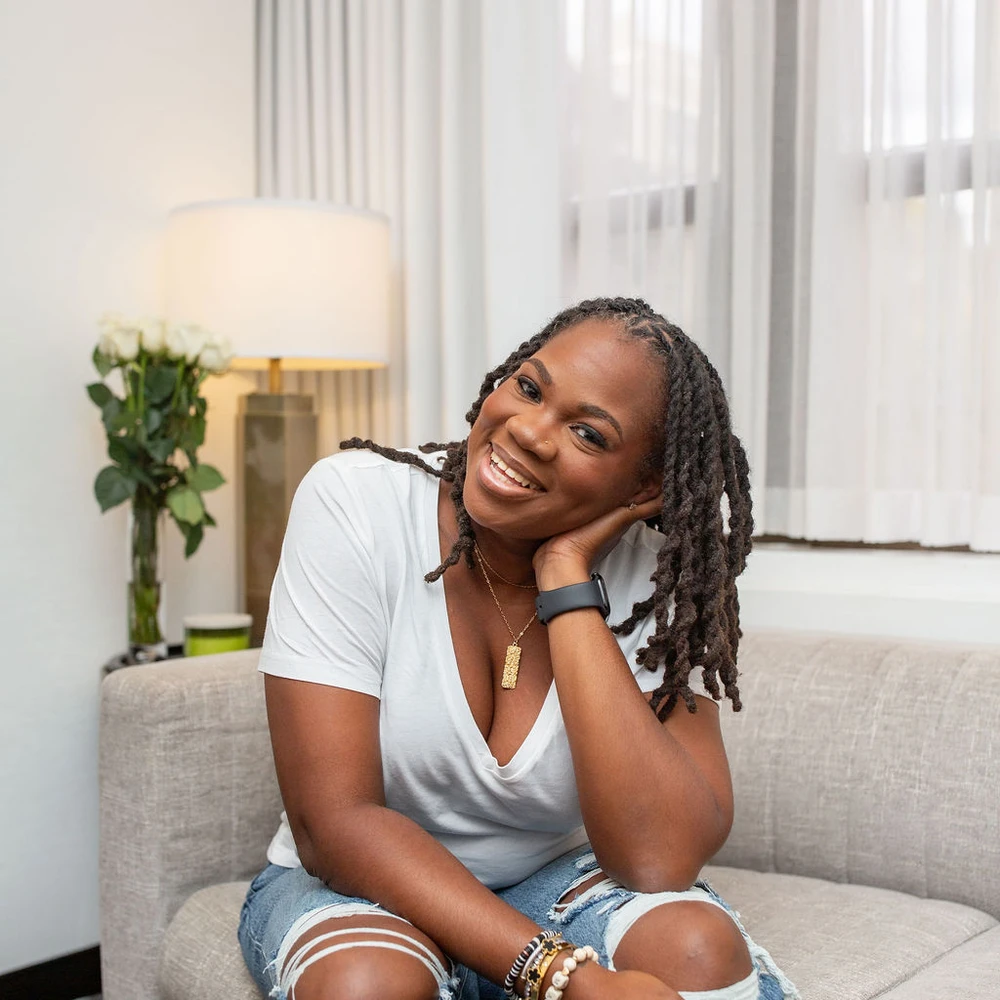
We’ve all heard it: “Create a routine—especially a morning routine—and your life will change.” And while there’s truth in that, I’ve learned the hard way that a routine that doesn’t align with your actual life won’t last.

For a long time, I thought I had to squeeze everything into the early hours of the morning in order to “do it right.” I wanted to prove to myself that I could maximize my day, but in reality, I was forcing a lifestyle that didn’t honor who I was or what my body needed. Routines are not one-size-fits-all. The key is finding what actually works for you and what aligns with your household, energy, and season of life.
Lessons From My Fitness Routine
When I first started working out, I asked my gym for a trainer who could meet me at 5:30 a.m. My plan was simple: get a full workout in, shower, and still be at work by 7:00 a.m.
And for a while, it worked. I was proud of myself—until I realized I was running on fumes. I’ve always been a night owl, and no matter how much I tried, I couldn’t fall asleep early. So, going to bed at 11:00 p.m. and waking up at 5:00 a.m. left me drained. Yes, the workouts gave me energy, but it didn’t last. By the afternoon, I was crashing hard.
Eventually, I had to be honest with myself: this wasn’t sustainable. So I shifted. Instead of trying to force morning workouts every day, I started going to work early and exercising in the evenings. At first, I dreaded it. I thought I’d feel sluggish after a long day. But to my surprise, I actually felt energized, refreshed, and accomplished.
That was the first breakthrough: wellness routines should serve you, not the other way around.
Food and Flexibility
Then came the food. People always say, “You can’t outwork a bad diet,” and they’re right. I tried the traditional route of meal prepping for an entire week. And while it works for some people, it didn’t work for me.
Here’s why:
I don’t like eating the same dinner five nights in a row.
If I have a craving, I want to eat what I’m craving.
Prepping everything at once felt overwhelming.
So instead, I started cooking dinner with enough leftovers for lunch the next day, or prepping two proteins that I could mix and match into different meals. It felt lighter, flexible, and still kept me on track.
Lesson learned? Your nutrition doesn’t have to look like everyone else’s. Find what feels sustainable for you.
Goals Shape the Journey
Another game-changer for me was getting clear on my goals. Goals shape everything—how often you work out, what exercises you focus on, and how you fuel your body.
At first, I loved strength training. But my initial goal wasn’t building muscle—it was losing fat to improve my bloodwork. That meant I needed to increase cardio. To avoid boredom,
I switched it up:
Water aerobics
Found online events like Book It! It’s a book club that has an event where you walk and listen to audio books
Attend Worship and Pilates classes
Solidcore workouts
I found joy in variety, and that kept me consistent.
Movement Doesn’t Have to Mean the Gym
One of the biggest mindset shifts for me was realizing movement doesn’t have to mean going to the gym. Some days, you just don’t have time—and that’s okay.
Here are small, simple ways to keep moving:
Do a quick YouTube workout.
Walk in place while watching TV.
Doing sit-ups or squats during commercial breaks.
Remember: some movement is always better than none.
Don’t Forget the Spiritual Side of Wellness
The most important part of my wellness journey wasn’t physical at all—it was spiritual. Wellness isn’t just about what you eat or how you move your body. True wellness includes your mind and your spirit.
Here’s how I weave faith into my routine:
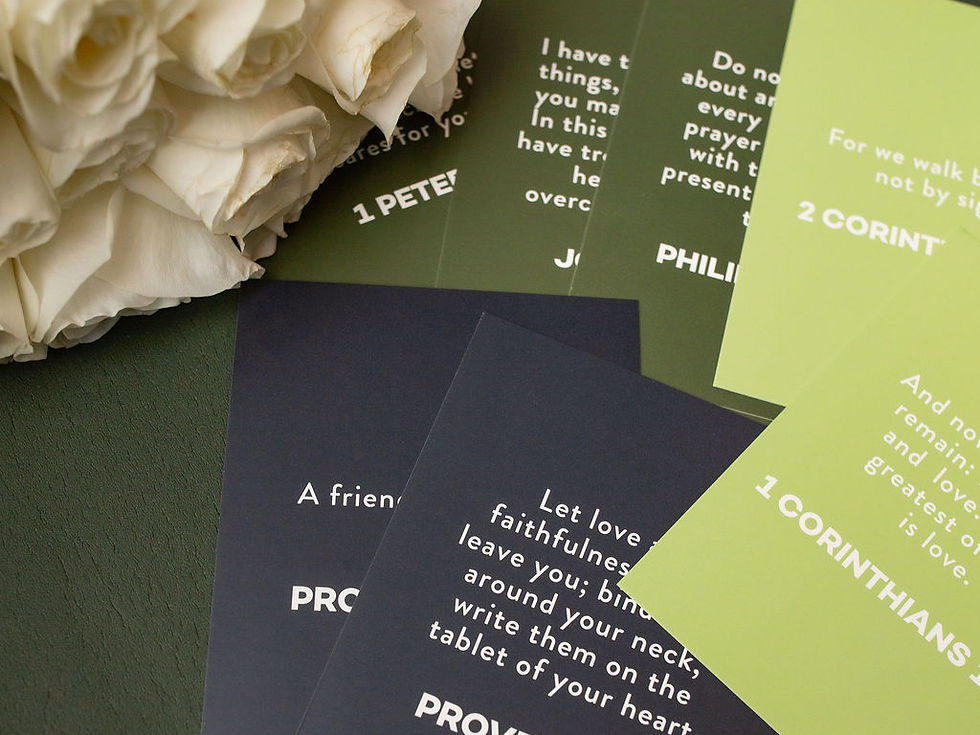
Keeping a Bible at work and reading for 20–30 minutes each day.
Sharing scriptures with friends to spark conversations and gain new perspectives.
Listening to sermons or gospel music while working out.
Praying over my wellness goals, asking God for consistency and strength.
Caring for your spirit is just as vital as caring for your body. When both are nourished, you’ll feel stronger, calmer, and more whole.
What I’ve Learned Along the Way
Here are the truths I’ve gathered from building a routine that finally works for me:
Your journey is yours. Don’t compare your routine to someone else’s.
Flexibility is key. It’s okay to adjust your schedule if life changes.
Goals guide the process. Know your “why” before you decide your “how.”
Wellness > fitness. Think about the whole picture—body, mind, and spirit.
Sustainability matters. Choose habits you can maintain long-term, not quick fixes.
Your wellness routine should bring you life, not drain it. It should leave you feeling closer to your goals, more connected to God, and more at peace with yourself.
So, if you’re building your own routine, remember this: give yourself permission to do what works for you. Try things. Adjust. Keep God at the center. And don’t forget—progress is better than perfection.
Your wellness journey isn’t about following someone else’s rules. It’s about creating a lifestyle that you can carry with grace, joy, and consistency for years to come.


Comments